Many parents worry that their child may not have the skills they should have before beginning preschool. Many parents believe that their child needs to arrive already knowing everything. They don’t. A quality preschool and daycare center understands that not all children have the same skills. A strong preschool program is designed to teach young children, not apply pressure to master skills before the first day. Preschool readiness isn’t knowing letters and numbers. It looks more like being able to communicate basic needs, join routines, and begin separating from caregivers with support.
Understanding Preschool Readiness
Preschool readiness should not be evaluated by a checklist that your child must complete by a certain deadline. Children develop at different rates. Some children demonstrate proficiency in motor skills while others are more fluent in putting together long sentences. Other times, a child may be physically independent but need time to be comfortable enough to join group play. You should consider whether your child has enough emerging skills to participate in the day when understanding preschool readiness. Building a basic foundation in communication, self-regulation, emotional development, social interaction, and fine motor skills will be more helpful to them than reciting numbers and letters.
Communication Skills
Being able to communicate basic wants and needs is a highly important preschool readiness skill to work on with your child. That doesn’t mean they need to be able to communicate exactly what they want verbally. But being able to express their needs in short phrases, signs, gestures, or other forms of communication will go a long way toward creating a positive preschool experience. Preschool will help continue to develop many lifelong skills; children aren’t expected to arrive with all of them mastered.
Social Skills
Preschool is often the first regular group setting many children experience. Your child doesn’t need to be outgoing, but they should be beginning to tolerate shared spaces and group routines. This is where many social skills are learned, and your child only needs a starting point and some ability to respond to adult guidance. Conflict is going to happen, but they don’t mean your child isn’t ready.
Emotional Readiness
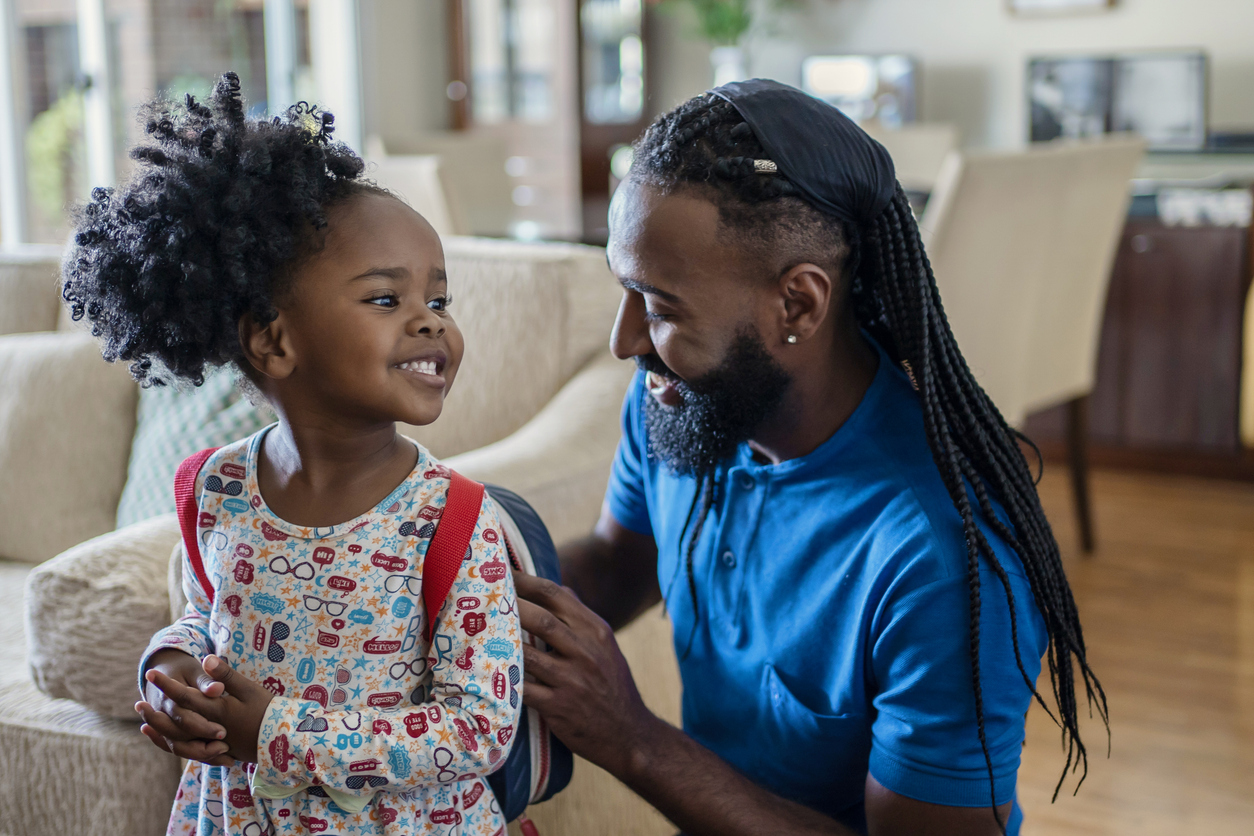
The hardest part of starting preschool is often the separation that comes with it. Just because your child cries at drop-off doesn’t mean they aren’t ready. Emotional readiness means they can gradually calm with proper support and move through their day. Tantrums are part of preschool-age parenting. The skill to look for is not that they never get upset but that they accept comfort, redirection, or help returning to their day.
Skills Your Child Can Develop in Preschool
Your child does not need to arrive at preschool already knowing how to read, write their name, count to 100, identify every letter, or complete worksheets independently. These skills will develop over time as part of their early learning experience. Instead of focusing on advanced academics before preschool, give your child opportunities to build communication, independence, social interaction, and emotional skills that can help them feel more comfortable participating in the school day. Preschool is where children continue learning and growing, not a test they need to pass before they begin.
Communicating With Educators
The most useful thing you can do to prepare for preschool is to create a line of communication with educators. Give them an honest picture of your child. Include how they communicate, calm down, medical conditions, sensory activities, and what they still struggle with. Preschool readiness isn’t about having a child who ticks off a checklist. It is about helping your child prepare for new things with proper support.
Schedule a tour of our facility to see our preschool program in action, designed to build confidence, independence, and a lifelong love of learning.


