Choosing the right preschool is a big decision. Many families hear conflicting opinions about early education, from concerns about academics to worries about separation and social engagement. A quality preschool and daycare center provides opportunities to learn and build skills in an environment where they can thrive. Before deciding on a preschool program for your child, you may benefit from distinguishing between myth and reality. Many common misconceptions about preschool have influenced parents’ approach to early childhood education. We must differentiate between fact and fiction so you can be assured that your child is given every possible advantage.
1. Preschool is Playtime
The most common misconception about preschool is that it is just playtime. Play is a core avenue for learning in preschool, but it is used intentionally and through structure. Small children learn through hands-on interaction with their environment. A well-developed preschool structure incorporates play that introduces opportunities to develop language, empathy, problem-solving, and social skills. Songs and stories support memory, vocabulary, and listening comprehension. Many preschools are even introducing sign language into their curriculum, along with reading and singing.
2. Your Child Needs to Know Letters and Numbers Before Enrolling
You’ve probably heard once or twice that your child needs to know letters and numbers before enrolling in preschool. This false narrative has caused undue pressure for many parents. Preschool is not designed only for children who meet these unnecessary requirements. It is designed to do just what is keeping many parents under pressure: build those exact skills through repetition, exploration, and age-appropriate instruction. Every child entering preschool has a different level of understanding. The right preschool will get to know your child’s needs and structure their learning path in a way that makes sense to them.
3. All Preschools Are the Same
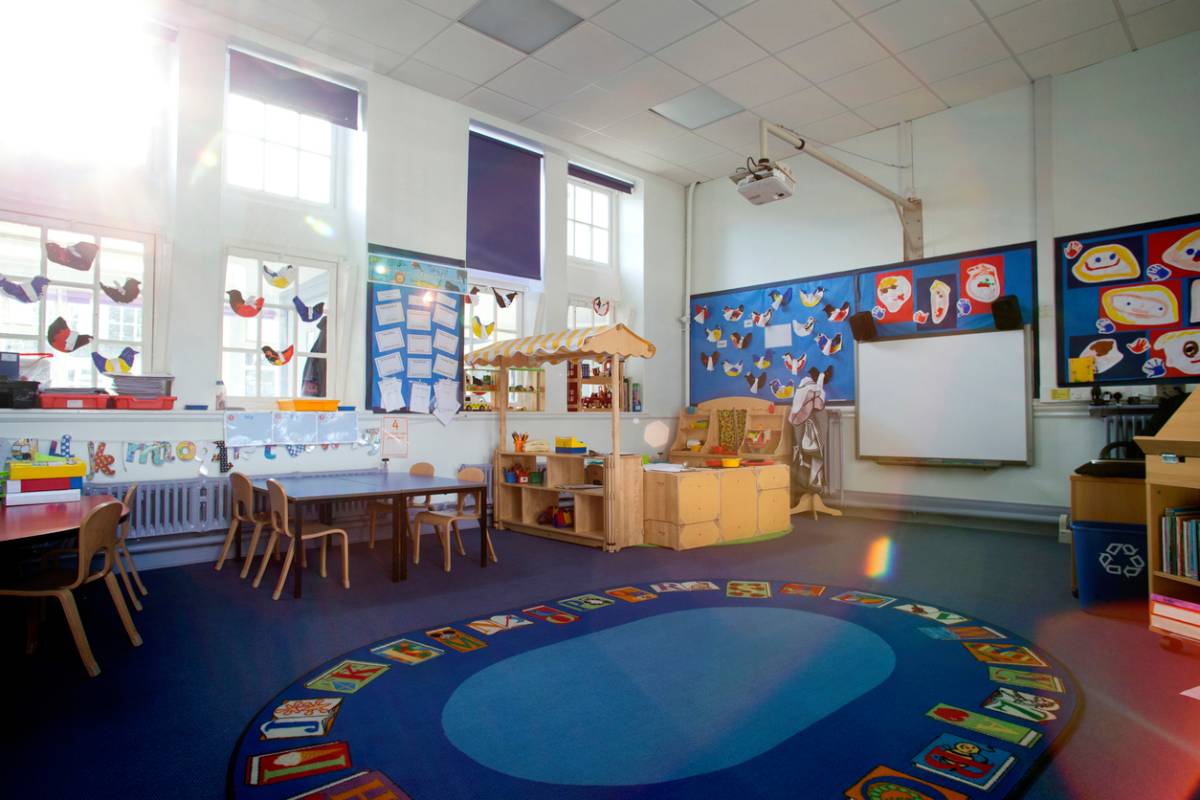
Another common misunderstanding is that if you’ve seen one preschool, you’ve pretty much seen them all. Many may seem similar at first glance but the structure, curriculum, and learning philosophy can vary widely. Some preschools can be more play-based, while others are more structured in their academic approach. The classroom environment is different in every preschool, and it influences your child’s overall experience.
4. Preschool is Only For Social Interactions
Some parents believe preschool is primarily about socialization with peers. Social development is a major benefit, but preschool fosters far more than just peer interaction. A well-designed preschool helps children grow emotionally, cognitively, physically, and academically through a variety of avenues. Preschool supports children in learning to share, take turns, cooperate, and communicate with others appropriately, which are necessary life skills, but that is not where the benefits end.
5. Structured Learning Limits Creativity
Many parents fear that structured learning will suppress imagination and creativity. The reality is, structure and creativity work well together. Small children gain confidence and security when they understand the rhythm of their day, know what to expect, and feel safe. Predictable routines are the bridge to stability, helping children confidently express their creativity in new ways.
Bringing Fact To Fiction
Preschool myths create more confusion than necessary. Preschool is not meant to rush children into meeting milestones. Its purpose is to provide children with safe, supportive interventions that build confidence, curiosity, independence, and important foundational skills. A good preschool supports the development of the whole child through guided play, classroom routines, creative activities, early literacy, problem-solving, and peer interaction. When parents understand the true purpose of preschool, they can move past common misconceptions.
Schedule a tour today to learn how the right preschool can support your child’s growth.


